
BLOG
A New Real Estate Cycle is Quietly Emerging as 2030 Approaches
Part 1 "The Next Cycle Has Already Begun"
Posted 4/8/26
Why the Future of Corporate Real Estate Will Belong to Design-Forward Operators
The commercial real estate industry is entering a new cycle, one defined not simply by interest rates or capital availability, but by a structural shift in how buildings are valued, used, and financed. Between 2027 and 2030, investors will confront a market that looks fundamentally different from the one that existed prior to 2020. Hybrid work patterns have reshaped corporate demand, sustainability standards are transforming building economics, and aging office inventories in major urban centers are forcing a wave of redevelopment and adaptive reuse.
Institutional investors, developers, and architects are now navigating what many analysts describe as a performance-driven real estate market, a shift documented across recent industry research from the Urban Land Institute, JLL, and CBRE. The value of a property is no longer determined solely by its location or its classification as Class A or Class B. Instead, value increasingly depends on operational efficiency, environmental performance, tenant experience, and the building’s ability to adapt to changing uses. For real estate professionals, the coming decade will reward those who can reposition assets, structure creative capital stacks, and deliver environments that compete with both the home and hospitality sectors.

The End of the Traditional “Flight to Quality”
For decades, investors followed a predictable rule: when markets became uncertain, capital flowed into newly built Class A office buildings in premier locations. This phenomenon became known as the “flight to quality.” The office market correction of the mid-2020s exposed the limitations of this strategy. Many buildings labeled as Class A struggled to maintain occupancy if they lacked modern infrastructure, sustainability performance, or amenities aligned with the hybrid workplace.
Research from global advisory firms such as JLL and CBRE suggests that the market is evolving toward what analysts increasingly describe as a “flight to performance.” Investors are now evaluating assets through measurable operational outcomes, including:
- Energy efficiency and operational cost performance
- Tenant retention and leasing stability
- Flexibility of floor plates for hybrid work environments
- Amenity infrastructure that enhances employee experience
Buildings capable of demonstrating strong performance across these metrics continue to attract capital and tenants, even in uncertain markets. By contrast, properties lacking these characteristics face increasing pressure to undergo costly upgrades or accept significant valuation discounts. This dynamic is particularly visible in legacy central business districts such as Chicago Loop, where a large portion of the office inventory was built before modern environmental and workplace standards.
Adaptive Reuse Is Becoming a Major Investment Strategy
The growing gap between high-performing and obsolete office buildings has created one of the most important investment themes of the late 2020s: adaptive reuse. Following the valuation corrections of 2024–2026, many office buildings began trading well below replacement cost. Opportunistic investors are increasingly acquiring these assets with the intention of converting them to alternative uses. Large asset managers including Blackstone and Brookfield Asset Management have already launched strategies targeting distressed office portfolios. Several types of conversions are expected to accelerate in the coming years.
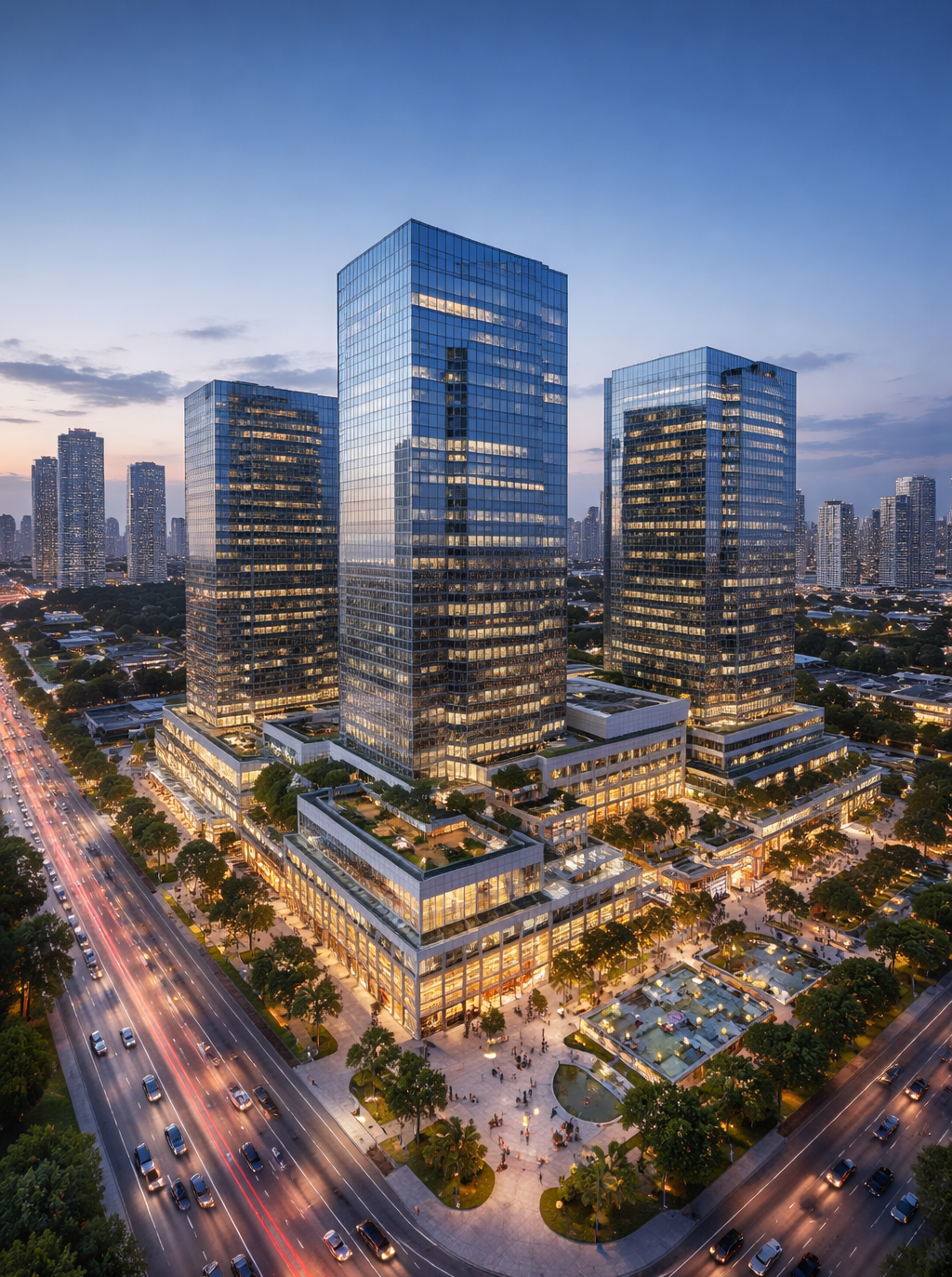
Office-to-Residential Conversions
Cities across North America face severe housing shortages, and local governments are actively encouraging developers to convert vacant office buildings into residential units. Tax incentives, zoning adjustments, and expedited permitting processes are increasingly common tools used to support these projects. However, not all buildings are suitable for conversion. Structural grids, floor plate depths, and window configurations often determine whether residential reuse is feasible.
Life Sciences and Research Facilities
In cities with strong academic or medical institutions, developers are exploring the conversion of office buildings into laboratory or life-science facilities. These spaces require specialized infrastructure, but in some cases older office buildings can be successfully adapted to support them.
Mixed-Use Urban Redevelopment
Another emerging strategy involves transforming office buildings into mixed-use developments that incorporate residential units, hospitality, retail, and cultural space. These projects aim to restore activity to downtown districts that experienced declines in weekday office traffic. Municipal governments increasingly view these conversions as critical tools for revitalizing urban cores.
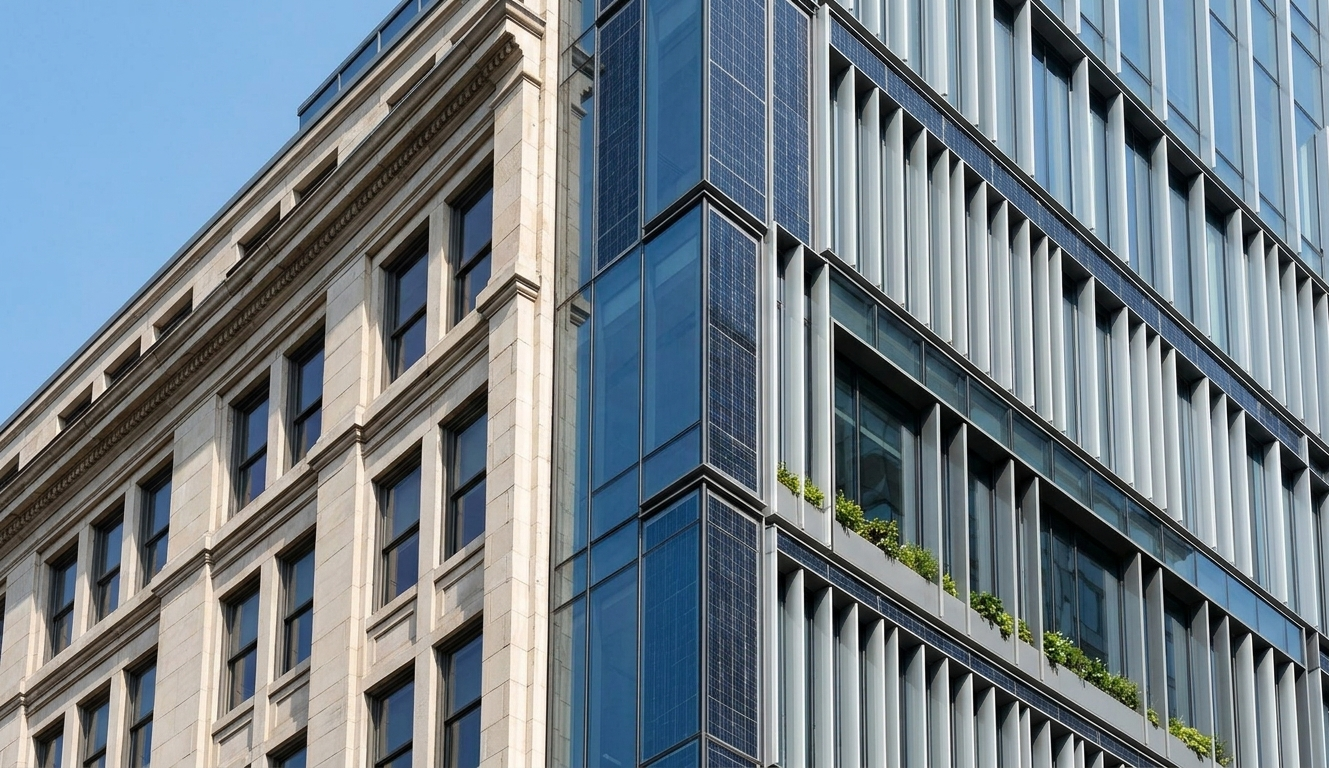
ESG Is Now a Financial Requirement
Environmental, Social, and Governance standards have evolved rapidly in the past decade. What was once considered a marketing advantage has become a financial necessity. According to market research from Cushman & Wakefield, corporate tenants increasingly require office buildings that support sustainability goals and employee wellness initiatives.
Key building features now influencing leasing and investment decisions include:
- LEED certification and other green building standards
- WELL certification focused on occupant health
- Carbon emissions monitoring and reporting
- Electrification infrastructure that reduces fossil fuel dependency
Regulatory changes are accelerating these trends. Many cities are implementing building performance standards that penalize properties exceeding carbon emission limits. As a result, ESG upgrades are increasingly viewed as mandatory modernization investments rather than optional improvements. Buildings that fail to meet emerging environmental standards risk becoming stranded assets, properties that struggle to attract tenants, financing, or buyers.
The Office Footprint Is Shrinking but Expectations Are Rising
The stabilization of hybrid work has clarified how companies intend to use office space in the long term. Most organizations have reduced their physical footprint by roughly 20 to 35 percent, but they are investing more heavily in the quality and functionality of the space they retain. The modern office is increasingly designed as a collaboration hub rather than a desk-based workplace, reshaping the economics of leasing and development.
Landlords now face:
- Fewer leases overall
- Larger tenant improvement packages
- Longer negotiation periods
- Higher expectations for tenant experience
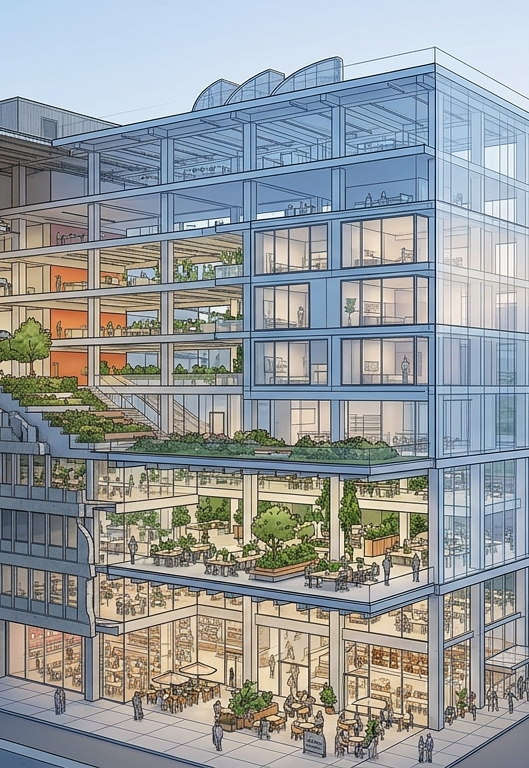
Amenities once considered luxury features, including fitness facilities, conference centers, outdoor terraces, and hospitality-style lobbies, are rapidly becoming baseline expectations in competitive office buildings. Today, the workplace must compete directly with the comfort, flexibility, convenience, and personalized experience employees have grown accustomed to when working from home.
Financing Structures Are Becoming More Complex
The capital structures supporting commercial real estate projects are also evolving. Higher interest rates and stricter lending standards have made traditional financing more difficult to obtain for repositioning and redevelopment projects. As a result, investors are exploring more complex capital stacks.
Common strategies now include preferred equity investments that provide priority returns ahead of common equity holders, joint ventures with operating partners that allow institutional capital to collaborate with experienced developers, mezzanine financing that fills the gap between senior debt and equity, and public-private partnerships where municipal governments collaborate with developers to revitalize downtown districts through incentives and infrastructure investment. These structures are becoming essential tools for projects that involve significant redevelopment risk. These structures are becoming essential tools for projects that involve significant redevelopment risk.
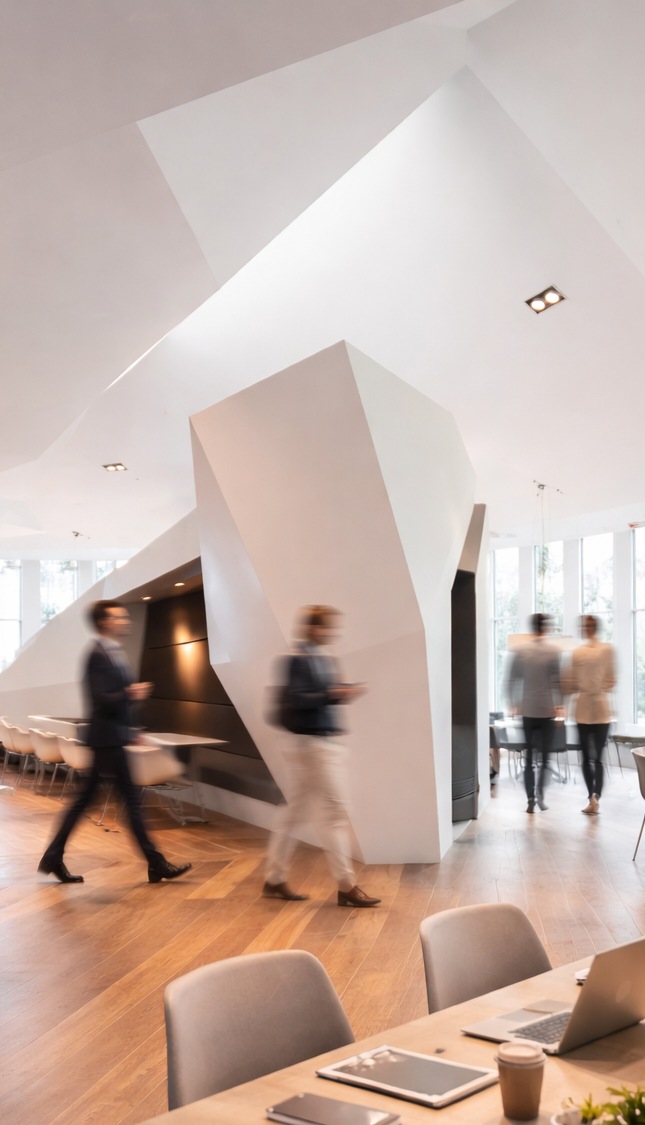
A Distressed Opportunity Window Is Emerging
Another factor shaping the late-decade investment landscape is the refinancing challenge facing many office properties. Loans originated between 2018 and 2022 were often structured with historically low interest rates. As those loans mature, owners must refinance in a higher-rate environment. For properties already struggling with declining occupancy, refinancing can be extremely difficult.
Analysts expect a wave of distressed transactions between 2026 and 2028, including:
- Discounted property acquisitions
- Distressed loan purchases
- Receiver-controlled asset sales
- Recapitalization of underperforming portfolios
Investors with significant available capital, often referred to as dry powder, will likely dominate this acquisition window.
The Strategic Takeaway for Real Estate Professionals
The next real estate cycle will reward professionals who can do more than simply acquire stabilized assets. Success between 2027 and 2030 will likely depend on the ability to:
- Identify mispriced Class B properties with repositioning potential
- Implement ESG-driven modernization strategies
- Design spaces optimized for hybrid work environments
- Leverage municipal incentives for urban redevelopment
The distinction between developer, operator, and investor will continue to blur as buildings become more operationally complex. Ultimately, the winners of this cycle will not be passive landlords. They will be design-forward operators capable of transforming underperforming assets into high-performance environments that support the evolving nature of work and urban life.
Sources
Institutional Research
- JLL – Global Office Outlook Reports
- CBRE – Future of Office & Investor Intentions Survey
- Cushman & Wakefield – Office MarketBeat Reports
Investment Strategy
- Brookfield Asset Management – Investor presentations and real estate outlooks
- Blackstone – Real estate fund reports and portfolio commentary
Urban Development and Policy
- Urban Land Institute – Emerging Trends in Real Estate
- NAIOP Research Foundation – Commercial real estate research
- Federal Reserve System – Commercial real estate financial stability reports
Explore More Projects
Aquamarine Nail Salon
Glenrosa Townhomes
Queen Anne Renovation